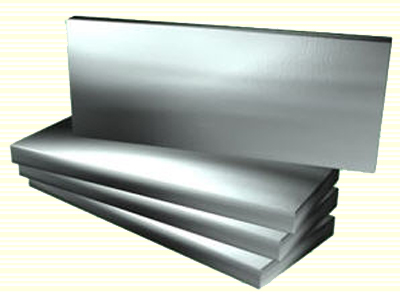
Fake Silver "Moly-Bars"?

Bix Weir

A while back Rob Kirby wrote an article revealing that over 1.3 million of the 400 oz gold bars may actually be gold plated tungsten.

http://news.goldseek.com/GoldSeek/1258049769.php

This was a shocking revelation that will profoundly effect the gold market and yet it is the most simple of cons. Who ever checks to see if their 400oz gold bars are filled with tungsten??? NOBODY! 400 oz gold bars are handled with kit gloves by those fortunate enough to own them. They represent an astounding amount of value in such a small package. They come in special cases and are wrapped in beautiful cloths. When you buy them you are scared to touch them...who in their right mind would ever drill a hole in them to see if they are real?!

We'd better start thinking a little harder...a little smarter. It is truly amazing that NOBODY ever checks to see if their gold is .999 fine. Buyers almost always trust the markings on the bar even though they have no idea when those markings were placed there or who the refineries that produced them are connected to...

http://www.roadtoroota.com/public/146.cfm

Wanna get rich? If you had no morals you could buy a low quality, unmarked gold or silver bar and "decorate" it with these tools:

https://shop.rings-things.com/cart/pc/viewPrd.asp?idproduct=19092&idcategory=2696

This is where a big problem lies in the world of gold and silver. We have "trusted" the big guys for too long and they have abused that trust at every turn.

So let's look at how the gold/tungsten problem is related to silver. Here was my take:

Fake Gold Portend Silver Explosion

http://www.roadtoroota.com/public/148.cfm

In this article I contended that fake silver could not be as easily substituted as fake gold:

"The silver situation was a little trickier than just creating fake silver bars. The problem was that, unlike gold where it is unheard of to melt down "Good Delivery" bars, large silver bars purchased from the exchanges were routinely removed from inventory and melted down to be used for industrial purposes. If the "Good Delivery" silver bars were filled with something like tungsten or lead the industrial users would know almost immediately. That kind of visibility would have called into question all "Good Delivery" metals on the major exchanges."

What I didn't fully understand at the time was that there is one public silver stockpile that rarely, if ever, removes the physical silver from their "inventory" and that is the iShares Silver ETF (SLV). Of course, I never believed they actually had all that silver they claim to but I wasn't sure how the con worked. Back in the 1980's there were lead filled silver bars floating around but they weren't hard to spot for the dealers. Lead has a density of 11.342 gm/cm3 and silver has a density of 10.501 or an 8% difference. Not that hard to spot for a professional.

But it made me curious as to what other metal might be closer to the density of silver and voila'''MOLYBDENUM HAS AN ALMOST IDENTICAL DENSITY TO SILVER!

The density of molybdenum is 10.220 gm/cm3 or only a 2.7% difference and is commonly coated with silver for industrial applications! As a matter of fact there is a long list of companies who make Molybdenum bars as well as specialize in Molybdenum coating.

List of Moly Bar Manufacturers http://www.thomasnet.com/products/molybdenum-bars-3287109-1.html

So could it be that SLV (who boasts JP Morgan as their "Custodian") does not have .999 fine silver bars in their inventory but rather a significant supply of silver plated Molybdenum bars? Let's face it, if the banking cabal figured out that they could gold plate tungsten bars don't you think they also considered silver? Could this be the entire REASON why SLV was approved by "the powers that be" to the surprise of all the silver bugs?

As Paulson, Geithner, Summers, Goolsbee and everyone else who has been involved in the rigging of the markets has stated...

"WE WILL DO WHATEVER IT TAKES TO KEEP THE MONETARY SYSTEM STABLE".

Could "whatever it takes" include flat out fraud? Of course it does!

Let's look for clues that there may be some 1,000 oz "MolyBars" floating around in the SLV inventory.

The fact the SLV has given it's controllers a considerable amount of legal leeway is no secret. The prospectus has more holes than Swiss cheese that's been shot point blank with buckshot. There are more articles covering this subject on the internet than there are bars of real silver in their inventory!

Hidden amongst it's many flaws, the SLV prospectus is carefully written to allow for silver that is not .999 fine. There is no specification as to the amount of silver required to be in their silver! Not .999, not .900, not .500, not Sterling, not plated, not coated...nothing. The original prospectus included the term "SILVER BULLION" when it was describing the silver holdings, but a year later the word "BULLION" was stricken from the prospectus. At the same time JP Morgan changed their liability as custodian from $1B to 265M+ troy ounces. OUNCES OF WHAT? Silver wrapped Hershey's Kisses?

Sure they define an "Ounce" as:

"Ounce" -- A troy ounce, equal to 1.0971428 ounces avoirdupois, with a minimum fineness of 0.999. "Avoirdupois" is the system of weights used in the U.S. and Great Britain for goods other than precious metals, gems and drugs. In that system, a pound has 16 ounces and an ounce has 16 drams."

But they never use the capitalized word "Ounce" in the context of the prospectus as it relates to silver. Any decent lawyer will tell you that it's the oldest trick in the book. Define a term with a capital letter yet never capitalize it in the context of the document. The capitalized term "Ounce" as defined is never used again. So why define it if you don't use it... unless you are trying to deliberately mislead the reader of the prospectus!

Just another con.

The same goes for the word "silver". Not once is "silver" defined or capitalized. They almost screwed up in the first prospectus by using the term "silver bullion" but they fixed that boo-boo. But the most damning evidence that the silver in SLV is not the real deal is in the prospectus and the SLV 10k SEC filing..

SLV PROSPECTUS

"However, the custodian is not responsible for conducting any chemical or other tests designed to verify that such silver meets the purity requirements referred to in the Trust Agreement."

SLV SEC 10K

"Silver transferred to the Trust in connection with the creation of Baskets of iShares may not be of the quality required under the Trust Agreement. The Trust will sustain a loss if the Trustee issues iShares in exchange for silver of inferior quality and that loss will adversely affect the value of all existing iShares."

FIRST THEY SAY THAT THEY ARE NOT RESPONSIBLE FOR THE QUALITY THEN THEY SAY IF THEY QUALITY IS BAD iSHARES WILL TAKE THE HITS...WHICH THEY ARE NOT RESPONSIBLE FOR!

Why in the world would JP Morgan take on a multi-billion dollar liability to act as custodian if they are not going to even check the silver that comes into the warehouse? Because they don't. It's just another Ponzi scheme with the illusion of grand silver deposits that never leave the watchful eye of the custodian or the "Authorized Participants".

The key to faking silver bars is that they can not be sold into the industrial market as the melting point of Moly is much higher and it doesn't have the same electrical conductivity. The SLV inventories represent the perfect resting place for "silver bars" to be stored publicly yet not removed for industrial uses. Clearly it can't be in the COMEX or LME warehouses since both exchanges can be called for delivery.

JP Morgan manages the physical silver which can only be withdrawn by this short list of "Authorized Participants"...who know where their loyalties lie!

Barclays Capital Inc

Citigroup Global Markets Inc.

Credit Suisse Securities (USA) LLC

EWT, LLC

Goldman Sachs & Co.

Goldman Sachs Execution & Clearing L.P.

Intrade LLC

JP Morgan Securities Inc.

Knight Clearing Services LLC

Merrill Lynch Professional Clearing Corp.

Newedge Group USA

PruGlobal Securities, LLC

Scotia Capital (USA) Inc.

UBS Securities LLC

Virtu Financial BD LLC

Although we really don't know if the "Authorized Participants" have any rights to remove silver since we haven't seen their contracts, we do know that they have NOT removed much silver since its inception...interesting...

Back to the "MolyBars"

Now that we know that SLV has no legal requirement to hold .999 silver bars lets look for more evidence of "MolyBars". I guess a tell-tale sign would be an increase in Molybdenum production since the announcement and introduction of the Silver ETF in 2005/2006'''well what do you know...

Was it Ronald Reagan that said "Trust but VERIFY"?

I'm not going to get into the fact that the COMEX is now allowing physical delivery in ETF shares because that may be a little too "conspiratorial" for such an upstanding news service as the Road to Roota Letters.

WAIT! Bart Chilton (the New Sheriff in town) and the recently fully funded CFTC staff will surely catch on to any "funny business" going down in ETF gold and silver holdings...oops...

Let's just say I've been down this road before:

Let's face it, the only way to regain trust in the gold and silver markets will be to completely overhaul the entire physical testing and storage system.

Basically, we need a global remelt and re-certification.

As for us little guys...this kinda makes you wish you had paid the premium for those 1oz Gold and Silver Eagles...surely we can trust the US Government...can't we?

When this is all over those of us sitting with real, verifiable .999 gold and silver will be Kings of the World...

EVERYONE ELSE WILL BE JOKERS.

May the Road you choose be the Right Road

Bix Weir

Sign up for the FREE Subscription at www.RoadtoRoota.com

Credit Crisis, Outrage, Far From Over

Bob Chapman

The re-nomination of Ben Bernanke, as Chairman of the Federal Reserve, has to be one of the ultimate political insults, particularly coming from Republicans, as did his predecessor, Alan Greenspan, both have taken America and the world down the sewer. Ben Bernanke saved Wall Street, the banks, insurance companies and a myriad of other Illuminist firms.
This is the same Ben who refused to release records to uncover where $2 trillion had gone in the loan program that followed the collapse of Lehman Brothers. This is an appellate defeat for the Fed. We would expect they will next appeal to the Supreme Court. This is important to the Fed, because a loss would not only expose which institutions were insolvent, US and foreign, but it would expose what collateral was accepted for these so-called loans, and have they been paid back?

The Fed and American and foreign bankers gambled and lost, so it was up to American taxpayers to bail them out. Needless to say, these actions were outrageous. The Fed not only had no authority to do what they did, but they did, but they also suborned perjury. We wonder how the Appeals Court missed that? The Fed has buried our country in debt, allowed unbelievable leverage and absolutely refuses to tell us what they are up too. Except for a few in Senate and House hearings, questioning is a total farce. The Fed has done as it pleases for 97 years and that has to stop. We cannot allow Ben Bernanke to lie before Congress and get away with it either. We also cannot allow any corporation or financial institution to keep two sets of books and not mark their investment to market.

The financial world is a very small world and everyone knew what was going on at Lehman, just as they knew what Berne Madoff was up too. As usual a conspiracy of silence prevailed in order to allow the wholesale fleecing of the American public to continue unabated. In Wall Street and banking there is still honor among thieves. The Fed knew what was going on at Lehman and let it continue. That is how Mr. Bernanke purgered himself before Congress. Merrill Lynch had already warned the SEC and Fed as to what was actually going on at Lehman. Lehman committed fraud and its officers have thus far gotten away with it. Where is the SEC with civil charges and where is our Justice Department? They both only make selective prosecutions, most of which are based upon politics or the connections of the players. The only time they go after insiders is when they are forced too, like in the recent fine against Berkshire Hathaway, Warren Buffett's firm, for accounting fraud of $200 million. The fine was $100 million, so as you can see crime pays. What is worse is that other firms are doing the same thing. This is all part of the mantra that no major financial firm should be allowed to fail. They are too big to fail.

The big bad secret is that if banks and other financial companies reported their true financial positions they'd be out of business - insolvent. The Fed and the SEC are certainly well aware of these problems, but the game goes on. The fraud is intentional and conscience. They know there are two sets of books, that MBS on their books are virtually worthless, they just bought $1.1 trillion worth of the toxic waste and they are well aware that the shadow inventory on their books is at best worth $0.30 on the dollar. In fact, everyone within the beltway knows it, just like seven years ago they all knew Fannie Mae and Freddie Mac were broke. As you can see, there is no law; it is only what these people want it to be. Faithfully all regulators and our elected representatives look the other way. They allow corruption to flourish. One thing that can be guaranteed is that if you report any of these frauds nothing is liable to happen. Today that is the American way - crime pays.

As we have said before the exposure of the problems in Greece, those of all the PIIGS and in the US, California, Arizona, Pennsylvania, New Jersey and New York, open a whole new phase of the debt crisis. The world is in a sovereign debt crisis. In Europe and in the US there are talks regarding a reduction in leverage in currency, which will only cause a liquidity crisis. A rise in interest rates will only compound the problem.

In addition we believe mortgage debt, both commercial and residential, will be sucked into the vortex adding to the woes. This is a replay of what occurred in the 1930s in the debt markets. Do not forget the bond market is 10 times bigger than the stock market and if something has to be sacrificed it will be the stocks, not the bonds. The replay will find stocks falling first, followed by bonds. The bond problem is already very visible; 19 nations have had their credit ratings cut and the US and UK and others will soon follow. That is why we continue to say that the only safe haven is in gold and silver related assets. As we have said previously the only way to handle the problem is for nations to meet, have a multilateral official devaluation and debt default settlement. That will be followed by a deflationary depression, which will be accompanied by another worldwide war. The debt load, particularly in advanced economies, is overextended and unsustainable at more than 400% of GDP in the US alone. That is 25% higher than US debt was in the 1930s. Those who do believe debt will be settled and currencies devalued, also know that recovery from that debt will take 20 or more years.

At the center of this greed and corruption are derivatives and securitization, which are simply a Ponzi scheme form of finance. These instruments were central to bringing down AIG and GM. The lenders, the large banks, brokerage houses, investment banks and insurance companies wrote these financial products, most of which are and were uncollateralized. As a result of this unethical disaster the American taxpayer was put firmly on the hook to repay this debt and to bail out the lenders. In addition, as you have been recently informed, these products were responsible in part for Greece's current problems. What Goldman Sachs did was transform government debt into derivatives, which were insured by CDSs. In time the euro zone will break up as a result of this and other factors. If England were to withdraw from the EU that could as well break up the European Union. Speculators have been purchasing Greek CDSs, anticipating debt default and as a result the euro has plunged. All of this is the result of turning world markets into a casino.

As you can see the problems are not going away and they won't disappear until the system is purged. More than $3 trillion has been poured into GM, AIG, Fannie Mae, Freddie Mac and Wall Street banks and brokerage houses by American taxpayers via the Fed and the Treasury. As a result the biggest violators have become even bigger, which was the intention from the beginning. As an example, JPMorgan Chase, Bank of America, Wells Fargo, Citigroup and Goldman Sachs hold almost 40% of all bank deposits. The credit crisis and the debt crisis are far from over. The desk chairs have just been rearranged. Not only will seven million more people lose their homes this year creating a 3-year home inventory for sale, but also lenders will get hit with commercial real estate they cannot possibly finance. We see another minimum of four more years of defaults both in the US and Europe. Taxpayers cannot save the system indefinitely, especially when the players that caused all this are back leveraging and speculating again.

We are facing a commercial debt crisis that no one expects. We are going to see hundreds of US banks fail this year, which the FDIC does not have the funds to cover. This year or next we are facing a sovereign debt crisis in the US, Europe and elsewhere. We are looking at tariffs on goods and services next year. All derivatives should be outlawed except on transparent exchanges and present positions should all be unwound. Europe is already moving ahead on this matter and hopefully an international conclusion can be reached. In addition Glass Steagall should be reinstated and the Fed's job be turned back to the Treasury Department.

Bearing out what we discussed earlier there is little talk of all G-7 members soon reaching more than 100% of GDP in public debt. As a result every one of these 7 countries have serious problems. In addition they are still expanding M3 or M4. Power and cash consumption shifts more and more toward governments. Banks have cut back lending by some 20%. They are holding government paper probably at the behest of government. The foreign treasury buying could very well be the Fed funding the purchases. Then the carry trade and hedge funds do their part as well. This could be a position of diminishing returns if interest rates rise in the real market, which we believe they will. Some 30 major nations have the same problem the US has and that is funding their own debt, as well as America's. Again, we have long believed that Treasury funding from the UK, Caymans and other sources was merely a front for Fed purchase of Treasuries. That in part is what the swap agreements are all about. This 40% increase in US monetary base normally would cause inflation, perhaps even hyperinflation, but the affect of 22-1/8% unemployment, low wages and a strong deflationary undertow has held inflation at an official 2-1/2% to 3%, or a real 7-1/2%. We see money and credit continuing to grow at 16% although the Fed has been drawing liquidity from the system. Normally we'd say that the US would emulate Japan's 20 years of deflationary depression, but this time it is different. Japan wasn't carrying the debt load the US is today. Japan began off a lower center. The luxury of 20 years of sideways movement that Japan experienced is not available to the US, because of their massive sovereign debt that grows by the minute.

As we pointed out previously foreign holdings of dollars by other central banks has fallen from 64.5% of assets to 60.5%. this has been caused by internal funding needs and flight from the dollar. This fall in dollar reserves sooner of later will force the Fed to raise rates to draw in more dollars to fund US debt. These exercises will also crowd out other corporate borrowers, again putting upward pressure on interest rates. Somewhere along the chain problems will arise and it will snap. We believe that event will be when multilateral official devaluation and debt defaults take place and those events are not far away.

We are at a juncture where governments cannot really help like they could previously and in order to survive they will have to take care of themselves. For the moment they have neutralized a bankrupt banking system by creating enough liquidity to offset deflation. As demands grow the need for liquidity grows just to keep the insolvent system afloat. This approach is funding sovereign debt, but it is not allowing loans to small- and medium- sized businesses and individuals. The system's worst days lie ahead. Take advantage of the interlude, it will be short lived.

The Mortgage Bankers Association reports its index, which shows purchase and refinance applications, saw the latest week in March loan application volume decrease 4.2%. The Purchase Index component rose 2.7%. The Refinance Index fell 7.1% week-on-week. The Purchase Index fell 15% year-on-year. These numbers were called an improvement by the mainline controlled media, if you can believe that.

JPMorgan Chase is cutting a deal with your government for a $1.4 billion tax refund. This is a benefit for taking over Washington Mutual. JPM paid only $1.9 billion for Wamu. If the tax break is allowed they have 73.6% of the purchase price back. JPM wants to score $10's of billions for a $500 million investment. The public gets screwed again and the criminals on Wall Street win.

theinternationalforecaster.com

Chasing the Gold Standard

Linda Brady Traynham

I suppose it is an article of faith here in the Bar that the first nation to adopt a true gold standard is going to have a commanding advantage internationally?

If not, it is here in the Whiskey Redan, deep in the heart of Texas. A "redan," you will recall, is a fortification with only three corners, and I chose the term partially because Gary had already snagged "the Whiskey Bunker" and to allow myself to define what the three most important factors are easily, according to my whim of the moment. Today I'm going to go with "God, Gold, and Guns," which you will notice is in alphabetical order. We don't discuss religion in the Bar, politics and economics being quite controversial enough, so that leaves us with Gold and Guns.

We can deal with the Gun facet pretty easily: if a government doesn't have "guns" (i.e., military forces sufficient to deal with less than friendly neighbors), it won't be long before a nation is absorbed by more belligerant and better-armed forces. If the people don't have guns, governments tend to overreach. When the people don't have guns, crime rises.

Which brings us to everyone's favorite topic, shimmering metals, and, in particular, the much-disputed question of whether they are a "barbaric relic" or the best means of assuring both a stable monetary system and preventing governments from inflating through the printing press.

Amazing, isn't it, how putting matters simply can make them much clearer? Why doesn't any government have a gold standard? Because there was too much "money" and power to be gained by going to fiat currency. Despite the obvious advantages geopolitically why isn't anyone doing more than flirting very tentatively with the idea of money that is backed unit for unit with gold or silver? Because governments don't want to give up the power they have or fear that cutting back on so-called "safety nets" would lead to their destruction. More than that, every nation I can think of quickly has spent itself into such a hole that it cannot simply recall all of the paper currency and swap it out for gold and silver at parity or even a sensible fraction thereof. I doubt that the Feds could have managed a penny on the dollar even before the stupifying debt incursion of the last eighteen months–and we have only their unverified word on how much physical gold is on hand. A country with no foreign debt might have some chance of pulling conversion off without devastating consequences, but are there any governments that don't have foreign debt or own that of others? Perhaps a period with a two- or three-tiered exchange rate, such as Hugo Chavez inagurated recently, would work. In Venezuela, now, what your money is worth depends upon what you are spending it on! My idea of good economic policy does not include armed guards in business establishments to prevent the owners from raising their prices. Ceylon (sorry, "Sri Lanka") tried it but is too small; Monaco isn't a good candidate, either, nor is Andorra.

So there the golden fruit hangs, seemingly out of reach. IF a country with reasonable clout (the US, Britain, BRIC, perhaps even an OPEC member) could make the transition without losing heads or thrones there would be no further question of what the world's reserve currency would be. We can certainly take Saudi Arabia off the list of possibilities because the price of keeping the house of Saud in charge is $70/barrel in giveaways. Short of defaulting internally and externally and eliminating the notion of "entitlements" the Feds and Parliament certainly can't get away with it, and such actions would surely precipitate blood in the streets of a nation where 40% of the citizens are on the dole and 40% of those employed work for government at some level.

I learned long ago from a very fine general, "Don't bring me a problem unless you have a solution." This saved the general a lot of frivolous complaints, but it did something better: the person who has the problem is most likely the one best-qualified to formulate a solution. It forces people to think for themselves as well as taking into account their familiarity with the restrictions and results. Of course I have an answer to the problem of what nation can–and must, by its Constitution–adopt a strict gold standard, and by fortuitous happenstance that country neither prints fiat "money" nor does it have vast foreign or internal debt. It is laboring under the small inconvenience of having been occupied by a foreign power for a hundred and fifty years.

Yes, I'm back to the campaign to restore the Republic of Texas via a public vote whether to request an amendment to the US Constitution to allow Texas to be admitted as a State (a process that will take at least twenty years and bales of Timmy's paper) or to ratify the current treaty between those United States and the Republic of Texas, reclaim our independence, suggest with firm politeness that the Feds and all of their works retire to their side of our respective borders, and insist that Washington abide by the 2004 decree of a Federal Judge that Washington "cease and desist hostilities against the land and people of Texas." I don't know about you, but I consider the IRS and federal mandates to be hostile.

The day one more than fifty per cent. of the voters agrees we would prefer to be the ninth richest nation in the world rather than a satrap of Baghdad on the Potomac, we revert instantly to our 1836 Constitution which has been updated with scrupulous legality only to include universal sufferage. Other than that the Convention, very wisely indeed, left that splendid brief document alone.

Our Constitution states specifically that "money" shall consist of gold and silver coins we mint ourselves. You can look up the "for profit corporation dba the State of Texas" and see what our financial position is with Dun and Bradstreet. (While you're at it, check on the for-profit corporation dba the USA.) You can infer easily how rapidly expenses will drop when ties are cut with DC. Consider just a few...the cost of gasoline, alcohol, and tobacco...the end of Federal mandates which cost us billions a year...the immediate and very real "raise" everyone employed within our borders would receive when income taxes and FICA were removed. Our Constitution, like yours, forbids taxing earnings or heads, but we can make it stick when you didn't. The true dream of the Republic is not to regain a Wild West with saloons, spittons, and gunfights, but to start over very, very carefully, learning from the mistakes and abuses of the past 175 years and attain a true Jeffersonian republic.

Our money will be "good as gold" because it will be gold. True, for convenience there may be paper currency, but it will say "redeemable for the equivalent in precious metals," not "Federal Reserve Note." Your $100 dollar bill is an IOU you cannot count on collecting; if we had one, it would be worth roughly a tenth of an ounce of gold today, tomorrow, and for decades to come. Yes, the metals market does fluctuate, doesn't it? So do exchange rates. I can see the scurry to hold Texas Gold or even fully-backed paper (be that notes or even bonds if we chose to offer some) because our money will be real. Today's Bernanke is the equivalent of an Andrew Jackson twenty years ago, a loss of 80% of stated value. The dollar of today is worth less than 4% of an oversized bill a hundred years ago. That is the penalty of fiat currency. We have our own system of Texas banks and deposits in them would be far safer than in your local, FDIC "guaranteed" banks. We'll have bullion to back our claims. They don't.

I cannot foresee the Republic of Texas feeling any need to sell bonds, but if it did they would be an excellent value so long as we break free without being invaded again by US or UN forces. Americans are so accustomed to having everything controlled by the fell hand of the Statists that it can be difficult to grasp how few legitimate expenses a truly Constitutional government has. In "Educating the Masses," archived here, I discussed my solution to the one thing the Texas Constitution says about education: that there must be a "plan" to educate the children. Compare the cost-effectiveness (to say nothing of the superior results we can guarantee) of my plan versus Washington, D.C. spending $14,000/year/student. When the kids can go to private schools there for as little as $7,000 a year (Although Obama's children are in pricey Friends at eight times that), why on earth is there a disastrously ineffective public school system in the District of Columbia? Silly question; power, the ability to tax and spend, and the politics of envy and racism. As an aside, I am appalled by the very concept of "hate speech." Someone explain to me why speech permitted under the First Amendment is showing up at a military funeral with a sign that says "Thank God for dead soldiers," clearly meant to mock, not to comfort the family, but I will be walking on very thin ice if I say what I think about a Marine General's suggestion that gay troops be billeted together! I haven't any objection to "separate but equal" (a school system that produced superior education and far less strife; propinquity has not lead to true friendship between those of different color and religions), but I really disapprove of putting all of the–someone come up with a word that won't get me arrested–in barracks where they can party hearty after lights out knowing that everyone else there is either a potential partner or like-minded. That is scarcely conducive to "good order and discipline." Wry laugh. We can understand Thomas Jefferson's sensible suggestion that a brothel be located close to the University of Virginia so that the boys' minds wouldn't be distracted in a time when young ladies were supervised strictly. I have trouble with a Lysistrata Corps.

Back to business. At a guess, fewer than 2% of you, dear readers, reside in our fair Republic. (Simple arithmetic. Divide by 50 plus at least Australia, Switzerland, China, and South Africa, where I correspond with readers.) The reasons our fight to regain our freedom should be of interest to you are myriad: as an example to your own governments and citizens; as a shining dream you can partake of by applying for citizenship and paying a flat 10% tax during your probationary period; and as an investment opportunity that is far safer than what goes on in your land, just for starters.

Our goal is to reduce government intrusion to the bare minimum required to keep the peace, internally and externally. Government HAS no other valid purposes than to protect the citizenry and its borders. When the Colonies broke off from England (an England somewhat distracted at the time or the rebellion would never have succeeded) it was for a dream of freedom, the most minamal of governments, and–laughter–individual gain. Nothing wrong with that, free enterprise being the best way to raise the standard of living of all citizens. Our promise is of a Republic where what you earn is yours to keep, where local "taxing authorities" cannot demand property taxes to fund their pet projects, where income is generated primarily through taxes on foreign corporations–including those headquartered in the US–and tariffs, and you are free to use what you earn to support your family, start or expand a business, and prepare for your own future. No, there won't be any welfare, but those who will not work can either not eat, convince friends/family/churches/charitable institutions to support them, or go to any of your forty-nine states. That worked for Tommy Thompson, and it will work for us.

Just imagine a truly gold-backed currency, and no income taxes, property taxes, "sin" taxes, EPA, NEA, or socialized medicine. I'll close with a discussion of that. I receive Social Security, and if I live to be well over a hundred I am unlikely to recoup what we "contributed" for over forty years. I have no choice about being on Medicare, which takes precedence over the TriCare a "grateful" government promised me for life for the sacrifices John and I made. The government removes that sum without my permission, and my only option is to refuse my stipend and have no medical insurance at all other than TriCare, which doesn't appear to cover much any more. The tariff last year was right at $1200, making the (very unusual) three trips I made to the doctor cost me $412 each, including co-pays. This is not my idea of a good bargain. This price will probably triple in coming months, in a world where Obamacrats, desperate for money, denied any COLA increases for the next three years. Left to my own devices I would have a catastrophic care policy and simply pay the current average of $110/visit. In the world we are trying to make no one will provide "free" medical care for those whom, quite frankly, we expect to seek refuge in your welfare states, but no one will attempt to mandate what arrangements you make for your medical care, either. I did an analysis based on what it cost to go to our family doctor in 1955–cash only, of course. In inflation-adjusted dollars it would cost you $35 for a standard office visit if the government and "health care insurance" did not exist.

The "land of the free and the home of the brave" doesn't look much like that to me, any more. The latest Gary North suggests that the "trade of the decade" is to shed all stocks and buy uranium. I'm sure that is excellent advice...but suggest that you hedge your bets by investing in Texas-based corporations. If our bid for freedom fails, Texas was still the last into the depression and hit most lightly by it. Ah, but if we succeed...I am certain you could take to the idea of dividends paid in gold.

Regards, Linda Brady Traynham March 30, 2010

Linda Brady Traynham is a former editor and analytical project report writer and is now a Whiskey & Gunpowder field correspondent on a ranch in the Republic of Texas. She studied Counseling at Boston University and got her Masters degree in Philosophy from the University of Hawaii.

whiskeyandgunpowder.com

FINANZA/ La Grecia affonda e l’Italia finisce nel mirino di Goldman Sachs

martedì 30 marzo 2010

A lanciare l’allarme ci ha pensato un osservatore molto speciale, ovvero il più grande detentore del mondo del debito europeo: per il vice-governatore della Banca centrale cinese, infatti, «la Grecia è solo la punta dell’iceberg, ora la più grande preoccupazione è ovviamente rappresentata da Spagna e Italia». Eccoci, qualcuno comincia a prendere la mira.

Il vertice europeo dei capi di Stato e di governo, nei fatti, non ha sortito alcun effetto: la risposta alla crisi greca è stata ovviamente quella più semplice e scontata, ovvero un intervento misto di Fmi ed Europa, con quest’ultima che si limita a prestiti bilaterali di ultima istanza al fine di evitare l’infrazione dell’articolo 125 dei Trattati comunitari.

Detta così, appare molto formale. Nei fatti, si è dovuto mediare tra la volontà tedesca di non pagare per gli errori di Atene e il dato di fatto in base al quale i fondi del Fmi non erano sufficienti a coprire il fabbisogno finanziario di cui la Grecia necessita assolutamente entro giugno per rifinanziare il debito. Una cosa è certa e lo ha confermato Lorenzo Bini Smaghi: «Il compromesso raggiunto ha evitato una Lehman europea».

Verissimo. Ora, però, si teme che la politica tedesca porti alcuni tra i paesi più esposti in una spirale deflattiva. A dire il vero, il rischio è esattamente l’opposto: per mangiare il debito pubblico, facendolo di fatto pagare ai cittadini-contribuenti, la ricetta migliore è quella dell’inflazione e non manca molto alla riproposizione in grande stile di questa strategia di leva macroeconomica. Ma, pur avendo evitato la nostra Lehman, il peggio è davvero passato?

Stando ai calcoli di Erik Nielsen di Goldman Sachs, la Grecia deve racimolare 24,7 miliardi di euro entro la fine di maggio: le ammortizzazioni di lungo termine del debito rappresentano il 7% del Pil quest’anno, il 10,2% nel 2011, l’11,8% nel 2012, il 9,7% nel 2013 e il 10,4% nel 2014. Insomma, la Grecia deve affrontare sia una crisi di liquidità che di solvibilità. Per Nielsen, che ha preparato al riguardo il report “Here comes the Imf”, «non è affatto chiaro e scontato che i rappresentanti politici europei abbiamo compreso la reale entità del problema».

Su questo, non abbiamo dubbi. Anche perché, a differenza dei burocrati, il signor Nielsen sa leggere davvero i bilanci e spulciando i dati ufficiali resi noti lo scorso mese dalla Grecia ha scoperto che «in termini di cash, il debito greco è al 16% sul Pil e non al 12,7% che viene spacciato in termini di accumulazione». Tradotto, la Grecia sta affondando. Per riuscire a uscire dal baratro, la Grecia dovrà dar vita a una sorta di svalutazione interna di almeno il 20-25% per ritrovare competitività: ma questo significa draconiani tagli salariali e, quindi, una crisi sociale alle porte.

Insomma, siamo a una sorta di riproposizione del default controllato che nel 2003 colpì l’Uruguay: peccato che all’epoca il tutto era fatto sotto la tutela di un molto più sano Fmi, ora si naviga a vista. E, oltretutto, con scarsissima conoscenza dei reali limiti che l’Europa conoscerà nel prossimo decennio a livello di crescita. A dircelo è il cemento.

Già, il cemento e la sua richiesta. Sembra assurdo ma non è così poiché il cemento è la cartina di tornasole della crescita economica, portando con sé il dato aggregato dell’infrastrutturazione: opere ma anche case, quindi il dato disaggregato della natalità. Ebbene, guardate il grafico allegato. Parla delle prospettive di crescita nel decennio 2010-2020: l’Asia è al 7,7%, l’Europa dell’Est al 6,7%, l’Africa e il Medio Oriente al 5,7%, l’America Latina al 5%, l’America della grande crisi al 4,4%. E l’Europa dei soloni anti-mercato? All’1,7%, ovvero un nano tra i giganti. E parliamo di prospettive decennali: da qui al 2020 l’Europa sarà di fatto ferma, a un terzo della crescita annua statunitense.

(clicca qui per vedere il grafico ingradito)

Questo nonostante Irwin Stelzer, l’eminenza grigia di Rupert Murdoch, l’altro ieri nel suo domenicale “American account” sul Sunday Times prendesse nuovamente - e sempre più pesantemente di mira - Barack Obama, dicendo chiaramente che «non smetterà con la sua politica finché non avrà tramutato l’America in Europa». Un segnale a chi di dovere, pare. Capite ora perché la crisi greca è davvero la punta dell’iceberg?

Parlando economicamente, ormai all’Europa sono venuti a mancare i fondamentali. Lo dice nel suo ultimo outlook anche Nouriel Roubini, secondo cui «le difficoltà già presenti in paesi come Grecia, Spagna, Irlanda e Portogallo saranno aggravate dai non più prorogabili pacchetti di austerità fiscale che porteranno una contrazione della crescita in un momento in cui il settore privato, anche quello finanziario, è ben lungi dall’aver ritrovato un proprio punto di equilibrio».

Insomma, sono tempi bui. Soprattutto quando tornano le coincidenze e gli accadimenti a orologeria. Appare quantomeno sospetto, infatti, il ritorno del terrorismo qaedista con l’attentato alla metropolitana di Mosca, proprio quando Gazprom, l’ente energetico statale russo, aveva cominciato una campagna molto aggressiva in Europa, in particolar modo nel Regno Unito dove era pronta a un investimento da 1 miliardo di sterline per diventare il principale fornitore di carburante del paese.

Si tratterà certamente di una coincidenza, ma nel dubbio conviene sempre cercare la verità tra le righe della realtà, oltre che tra quelle della storia. Attenzione, si muovono persone e cose là fuori. E, purtroppo, cominciano a muoversi - ancora - i cds sul rischio di default sovrano. Anche italiani questa volta. Lo ha detto Goldman Sachs. Speriamo che Mario Draghi approdi dove deve, ovvero alla Bce, altrimenti la macabra danza suicida della Germania porterà tutti, noi compresi, nel vortice della stagnazione.

© Riproduzione riservata.

http://www.ilsussidiario.net/News/Economia-e-Finanza/2010/3/30/FINANZA-La-Grecia-affonda-e-l-Italia-finisce-nel-mirino-di-Goldman-Sachs/76222/

L’Irlanda si prepara a salvare il sistema bancario

L’Irlanda si prepara a salvare il sistema bancario

Il ministro delle Finanze irlandese, Brian Lenhinan, renderà noti oggi i dettagli del suo piano per ristrutturare il sistema bancario del Paese. L’obiettivo è quello di liberare gli istituti di credito soprattutto dai prestiti “tossici” legati al mercato immobiliare, al fine di rilanciare il settore. Il responsabile economico del governo di Dublino parlerà oggi al parlamento mentre, separatamente, la National Asset Management Agency annuncerà il costo dell’operazione, che prevede anche il trasferimento dei bad loans di Allied Irish Banks e di Bank of Ireland Plc.

Quello che Lenhinan tenterà di ottenere è un’uscita del sistema finanziario dalla crisi provocata soprattutto dal crollo del segmento real-estate. Ma non sarà facile, dal momento che stando alle stime degli analisti il settore bancario irlandese avrebbe bisogno di almeno 25 miliardi di dollari per risollevarsi. Secondo Brian Lucey, docente al Trinity College di Dublino - riferisce l’agenzia Bloomberg - le misure messe in campo dal governo potrebbero portare lo Stato a controllare la maggioranza in Allied Irish. Ma potrebbero non bastare: «Una trasfusione d’emergenza, ora, può garantire la sopravvivenza - ha spiegato Lucey -, ma in futuro potrebbero essere necessari altri interventi».

D’altra parte, solo Allied Irish ha bisogno di 7 miliardi di euro per coprire le proprie perdite, secondo quanto riferito dall’Irish Times questa mattina.

http://www.valori.it/italian/finanza-globale.php?idnews=2203

Guerra del gas in Ucraina: inquietante silenzio dall'incontro Putin-Azarov

Stampa E-mail
Scritto da Matteo Cazzulani
lunedì 29 marzo 2010
Image
Nessun dettaglio politico, né particolare tecnico è stato comunicato a seguito del vertice tra i primi ministri russo e ucraino circa la revisione dei prezzi per l’importazione del gas. Si teme sempre la svendita del patrimonio infrastrutturale di Kyiv. Insorge l’opposizione. Non solo accordi con Washington per la riduzione degli armamenti nucleari. Negli ultimi giorni la Russia è stata impegnata anche sul fronte del suo "estero vicino" (come il Cremlino ama definire le repubbliche ex-sovietiche, di cui si sente ancora la madrepatria e che ambisce a riassoggettare), in particolare con l'Ucraina, con la quale sono stati ridiscussi i parametri del prezzo del gas. Venerdì 26 marzo a Mosca i primi ministri dei due Paesi - Mykola Azarov e Vladimir Putin - si sono incontrati per analizzare le richieste da parte di Kyiv di abbassare il prezzo dovuto mensilmente a Mosca per l'importazione di oro blu. Tuttavia, su di esso non è trapelata alcuna informazione dettagliata, né alcuna indiscrezione sui particolari tecnici e politici dell'incontro: un silenzio assordante di sovietica memoria che non lascia affatto tranquilli. Ufficialmente dalla conferenza stampa è emerso solamente l'impegno da parte di Kyiv di saldare la rata dovuta al monopolista russo Gazprom per il mese di marzo non appena il bilancio statale sarà approvato. In cambio, Putin ha concesso - e promesso - di non applicare le sanzioni previste da contratto per il ritardo del saldo. Tale scarsità di informazioni ha spiazzato i giornalisti, che legittimamente hanno domandato di chiarire quali sono le effettive contropartite che Mosca avrebbe richiesto per ritoccare al ribasso i prezzi. Tra di esse, la possibilità che Mosca pretenda da Naftohaz (monopolista ucraino del settore) l'importazione annua di un tetto minimo di gas ben superiore al reale fabbisogno dell'Ucraina. "Continueremo a pagare per il gas importato a seconda delle nostre necessità. Quel tanto che basta per garantire il lavoro della nostra industria nazionale e lo sviluppo della nostra economia" si è affrettato a chiarire Azarov. Invece, Putin ha posto l'accento sul fatto che il premier ucraino "non si è limitato a parlare di gas, ma ha avanzato proposte sul rafforzamento della collaborazione con Mosca anche in altri ambiti, tra cui quello militare, della politica commerciale e di quella estera". Per quanto riguarda il caso specifico degli accordi sull'oro blu, anch'egli ha definito il contratto in vigore "dannoso per l'Ucraina e svantaggioso per Mosca. Ma è normale che chi vende mira ad ottenere più vantaggi e chi acquista a risparmiare". Restano insoluti alcuni punti centrali della questione. In primis, l’ipotesi che Kyiv possa cedere parte dei propri gasdotti ad un consorzio compartecipato da Ucraina, Russia ed UE e permettere lo stazionamento della flotta russa nel Mar Nero anche dopo il termine previsto del 2017: indiscrezioni ventilate con grande insistenza negli scorsi giorni. Pronta è arrivata la reazione dell'opposizione democratica, che per voce del braccio destro di Julija Tymoshenko Oleksandr Turchynov ha richiesto spiegazioni a riguardo, invitando Azarov a presentarsi alla Rada per riferire al parlamento. "In cambio di un prezzo inferiore del gas per le grandi industrie dell'est del Paese in mano agli oligarchi sponsor di Janukovych e del Partija Rehioniv la Russia intende avanzare rivendicazioni politiche che costituiscono una seria minaccia per la nostra sovranità nazionale. L'opposizione democratica intende difendere quanto di buono fatto dal Blocco Tymoshenko durante il periodo al governo, in particolare mantenendo il patrimonio infrastrutturale energetico in mani ucraine ed evitandone la svendita a magnati russi o sotto la protezione del Cremlino" ha dichiarato l'ex vice premier. Lecito ricordare che in virtù degli accordi stretti da Julia Tymoshenko e Vladimir Putin lo scorso autunno Kyiv paga a Mosca l'altissima somma di 360 dollari per mille metri cubi: una tariffa equivalente a quella imposta alla Germania, in cambio della quale la Lady di Ferro ucraina è riuscita però a garantire al suo popolo un inverno al caldo dopo anni di precarietà energetica, nonché ad ottenere l'eliminazione della clausola "prendi o paga" in base alla quale l'Ucraina era costretta ad acquistare una quantità di oro blu superiore di molto al proprio fabbisogno nazionale.

http://www.legnostorto.com/index.php?option=com_content&task=view&id=28106

Ad Aprile, spezzeremo le reni alla Grecia?

Pubblicato da Debora Billi alle 08:15 in Finanza

Mentre vi accingete ad andare a votare, e ad effettuare la drammatica scelta tra zuppa e pan bagnato, vi propongo una riflessione su questo bel grafico pubblicato da Der Spiegel (cliccate per ingrandirlo):

debitoaprile.jpg

Si tratta, come potete vedere accanto, dei soliti PIIGS, tra i quali si annovera anche l'Italia. E sono le scadenze del debito pubblico: nel mese di Aprile, saranno circa doppie rispetto al mese di Marzo, 70 miliardi di euro entro Maggio nel caso italico. Il doppio anche rispetto ai nostri inseguitori, come la Spagna.

Magari è la volta buona che riusciamo a spezzare le reni alla Grecia.

Dubai, per JPMorgan piano potenzialmente negativo per i creditori

Dubai, per JPMorgan  piano potenzialmente negativo per i creditori

Dopo l’iniziale reazione positiva dei mercati al piano di ristrutturazione di Dubai World, cominciano ad arrivare i primi dubbi. A lanciarli, ieri, è stata la banca americana JPMorgan Chase, che ha spiegato come l’operazione possa risultare «negativa» per gli istituti finanziari creditori, dal momento che la restituzione dei capitali sarà finanziata prevalentemente attraverso la vendita di asset.

Dubai World, holding di proprietà dello Stato, sta chiedendo infatti a chi le ha fornito in passato linee di credito di aspettare circa otto anni prima di ricevere indietro il denaro, nell’ambito di un complesso programma da 23,5 miliardi di dollari annunciato la scorsa settimana. «Non c’è traccia di alcuna garanzia governativa sul ripianamento del debito - ha spiegato all’agenzia Bloomberg Zafar Nazim, analista londinese di JPMorgan -. Da parte dell’esecutivo saranno iniettati solamente 1,5 miliardi di dollari in contanti al fine di supportare i creditori. Per cui è tutto subordinato alla vendita di asset e ai dividendi».

Una visione pessimistica, dunque, che contrasta con le prime reazioni giunte giovedì scorso, quando furono resi noti i primi dettagli del piano. Tra questi, ad esempio, c’è la richiesta a chi ha prestato i propri capitali al braccio immobiliare della società degli Emirati Arabi Uniti, la Nakheel PJSC, di ristrutturare il debito.

http://www.valori.it/italian/finanza-globale.php?idnews=2194